
“It is also important to minimize the amount of processed foods during the week.” The health benefits of this eating style make it a top recommendation for health experts. The American Heart Association (AHA) recommends the diet for the role it can play in preventing heart disease and stroke, and reducing risk https://www.sitejabber.com/reviews/unimeal.com factors such as obesity, diabetes, high cholesterol, and high blood pressure. In addition, the USDA’s Dietary Guidelines for Americans, 2020–2025 supports a healthy Mediterranean-style pattern.
Special Issue from Current Developments in Nutrition: SPORTS NUTRITION
- Valerie Agyeman (she/her) is a women’s health dietitian and the host of the Flourish Heights podcast, where she produces science-driven content covering overlooked nutrition, wellness and women’s health topics.
- You’ll find a plethora of yummy recipes to make tonight — or at your next gathering — from homemade doner kebabs to grilled shrimp with roasted garlic herb sauce, and Mediterranean tuna salad.
- While research suggests that the Mediterranean diet comes with a wealth of benefits, it does have a few drawbacks.
- The Mediterranean diet focuses on eating plant-based, whole foods and healthy sources of fats and proteins.
- In the U.S., drinking alcohol in moderation is defined as limiting intake to two drinks or less per day for men—and one drink or less in a day for women.
- When you look at a plate, it should be bursting with color; traditional proteins like chicken may be more of a side dish compared with produce, which becomes the main event.
Or simply pick a day where you build meals around beans, whole grains, and vegetables. By reducing your risk of developing heart disease or cancer with the Mediterranean diet, you’re reducing your risk of death at any age by 20%. Research suggests that the Mediterranean diet may improve cholesterol, blood sugar levels, and overall blood vessel health, which in turn may reduce your risk of Alzheimer’s disease or dementia. “It is so heavily studied, and there’s been just a preponderance of evidence about the benefits of a Mediterranean diet,” Zelman says.
Going out for Italian? Here’s how to order healthy.
She completed requirements to become a registered dietitian at Valparaiso University in 1987 and completed a dietetic internship at Ingalls Memorial Hospital in Harvey, Illinois, in 1988. Lynn brings her expertise in nutrition, exercise, and behavior change to her work in helping people reach their individual health and fitness goals. In addition to writing for Everyday Health, she has also written for websites and publications like Food and Health Communications, Today’s Dietitian, iVillage.com, and Rodale Press. She has a passion for healthy, nutrient-dense, great-tasting food and for being outdoors as much as possible — she can often be found running or hiking, and has completed a marathon in every state. It’s evident that with such a variety of whole, fresh foods on the table, it’s easy to build meals with this diet. And you don’t have to eliminate your favorites — they may just require some tweaks.
Living the Mediterranean Lifestyle
Her book The Mediterranean Dishis another way to learn what she knows. A registered dietitian-nutritionist, whom you can find at Eatright.org, can help you start and stick with the Mediterranean diet, but these tips may also be helpful. This fruit, in all its bright red glory, packs powerful polyphenols that act as an antioxidant and anti-inflammatory. The healthy compounds in pomegranates might have anticancer properties. You can drink a low to moderate amount of red wine, in small servings and with a meal.
Mediterranean pasta salad with garbanzos
Bread, polenta, couscous, soups, paella and pasta are different ways to consume cereals (7). Preparing food at home might be easier, but you can also find restaurants with options that fit the Mediterranean diet. You could choose a Mediterranean restaurant or order a dinner salad, vegetable curry, or salmon with a side of vegetables instead of steak.
Try one (or all) of these 3 recipes
On the Mayo Clinic Diet Mediterranean meal plan, members have 6 units of Fats a day, equivalent to 2 tablespoons of olive oil, however, these Fat units are typically distributed across olive oil and nuts. The Mediterranean diet offers more than a path to better heart health or weight management—it promotes a way of living that’s rich in flavor, community, and vitality. Whether you’re just getting started or ready to refresh your wellness journey, this sustainable eating pattern is one of the most researched and respected around.
A Reduced Type 2 Diabetes Risk and Better Diabetes Management
Eating this way means you also have little room for processed fare. When you look at a plate, it should be bursting with color; traditional proteins like chicken may be more of a side dish compared with produce, which becomes the main event. “It is an appealing diet that one can stay with for a lifetime,” Dr. Cohen says. In addition, red wine may be consumed in low to moderate amounts, usually with meals. There are many ways to incorporate the delicious foods of the Mediterranean diet into your daily menu.
Social and mindful eating
She has over 10 years of combined nutrition communications, corporate wellness and clinical nutrition experience. Valerie is a trusted expert in the media, regularly appearing on networks such as Fox 5 DC, PIX-11, and ABC’s Good Morning Washington. She is also a contributing expert to publications like Women’s Health Magazine, Prevention, Good Housekeeping, and The Everygirl. Bring some extra excitement to your morning bowl of oatmeal by stirring in the right combo of dried fruit and nuts, plus a tahini-honey swirl. If the thought of snacking on fresh produce — blanched green beans, sliced raw radishes, carrot sticks, you name it — leaves you feeling bored, it’s time to try pairing them with a creamy, herby dip. This one is made with Greek yogurt instead of sour cream or mayonnaise and packs in tons of fresh herbs unimeal reviews complaints and bright citrus.
Easy First Steps to Get Started on the Mediterranean Diet
On this plan, you’ll limit or avoid red meat, sugary foods, and dairy (though small amounts like yogurt and cheese are included). What all versions have in common, however, is an emphasis on a variety of fruits, vegetables, whole grains, beans, nuts, legumes, fish (especially those rich in omega-3 fatty acids such as salmon, sardines and mackerel) and healthy fats like olive oil. Up to a glass of wine at dinner is given a green light on the Mediterranean plan. That’s how the inhabitants of Crete, Greece, and southern Italy ate circa 1960, when their rates of chronic disease were among the lowest in the world and their life expectancy among the highest, despite having only limited medical services. Replacing foods high in saturated fats (like butter) with plant sources high in monounsaturated fatty acids, like extra virgin olive oil, may help lower the risk of heart disease.
Public Health Lessons Learned From the Lifestyle Program
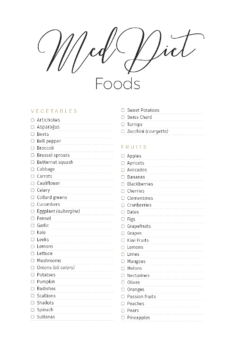
The study found that people who adhered to the Mediterranean lifestyle’s tenets of adequate rest, exercise, and socializing had a lower risk of dying from cancer or from any cause. But diet isn’t the only piece of Mediterranean living that’s important for health. Along with eating style, lifestyle habits that include exercise and social connections also contribute to health benefits. Heralded as one of the healthiest diets in the world, the Mediterranean diet is one of the most popular diets today. Learn the essentials of this diet, including its health benefits, and how to start eating Mediterranean style. All types of vegetables and fruits are encouraged on the diet, as are non-meat sources of protein like beans and other legumes.

No comment yet, add your voice below!